
How Legal Gaming Came to Deadwood
A fading town staked its survival on a preservation bargain with South Dakota voters. It worked, and it had costs.
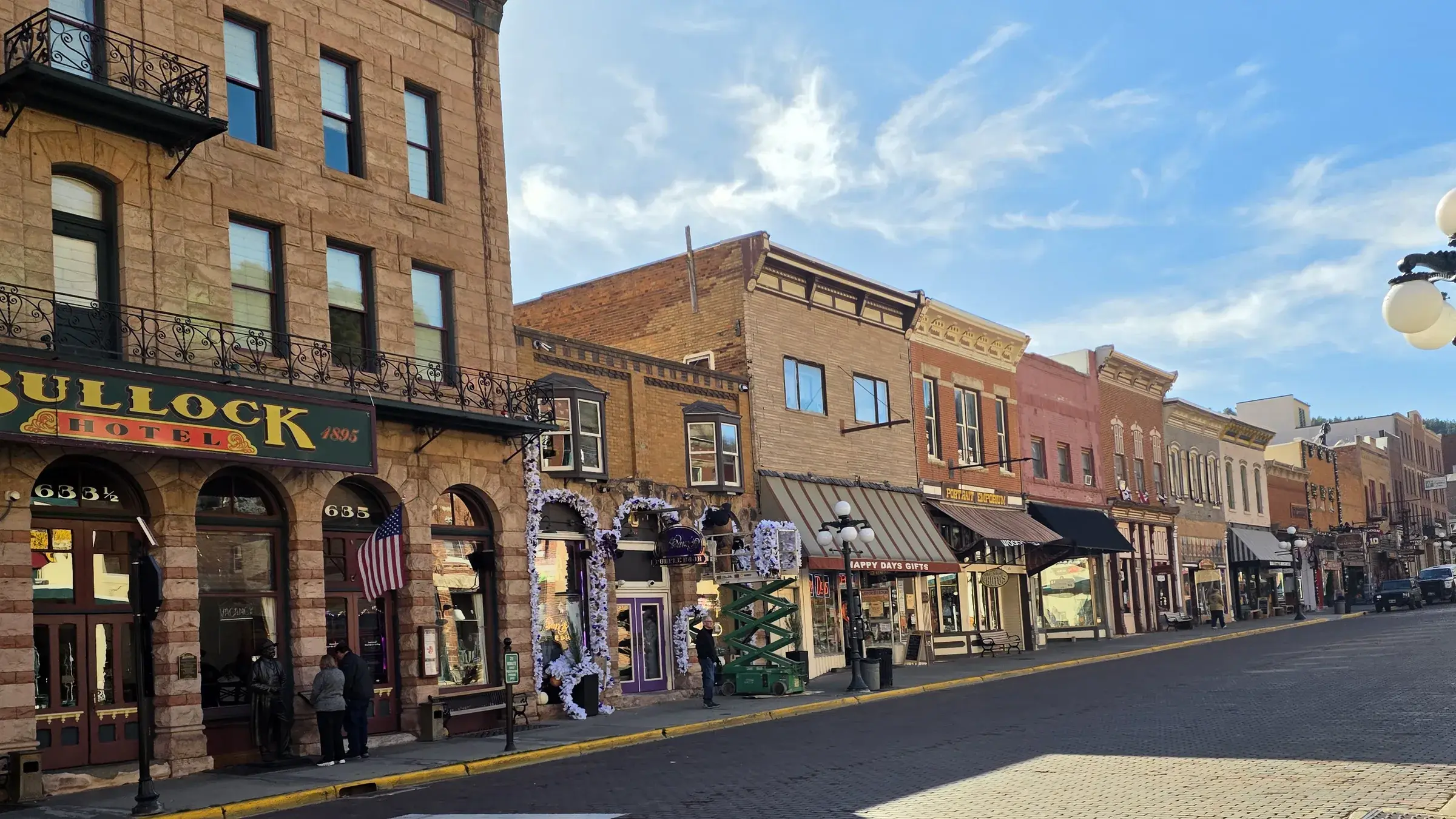
Gambling is not new in Deadwood. For most of its first seventy years the town had card rooms and much else, legally or not. What changed in 1989 was the bargain behind it: gaming would pay to preserve the town.
How the old town ended
Prohibition and reformers pushed drinking, gambling and prostitution behind closed doors in the 1920s, according to the city’s timeline, and gambling flourished once more after Repeal. In 1947 the state attorney general had the county sheriff crack down, and the city marks that year as the official end of gambling in town. Most brothels were closed by the state’s attorney in the 1950s and 1960s, and the last were raided and padlocked on May 21, 1980.
Meanwhile the town was fading. The landmark designation of July 4, 1961, brought recognition, but KOTA’s anniversary report quotes state gaming commission vice chair Karen Wagner saying gaming arrived when the community lacked strong revenue.
The fire and the vote
In 1987 the city established a Historic Preservation Commission, which American Heritage says had projects it estimated would take 40 years to finance. On December 15 the Syndicate Block fire destroyed three Main Street buildings. The city’s records call it the rallying cry for legalized gaming, and it gave supporters the urgency they needed.
On November 8, 1988, South Dakota voters approved a constitutional amendment allowing limited gambling in Deadwood. South Dakota News Watch and High Country News both report 64 percent in favor. The following April, by the News Watch account, Deadwood’s own voters approved limited-stakes gaming by about three to one, and High Country News notes that the legislature passed enabling legislation the same month.
Five-dollar bets
Gaming began on November 1, 1989, making Deadwood the third legal jurisdiction in the country after Nevada and Atlantic City. Only slots and card games like blackjack and poker were allowed, at a $5 maximum. Consultants had projected $2 million in wagers for the first year. Bettors placed $13.8 million in the first month.
From nine casinos in 1989 the number rose to a high of 80, according to High Country News. American Heritage counted about 80 casinos and 40 restaurants around 2004. Voters raised the bet limit from $5 to $100 in November 2000, and the legislature raised it to $1,000 in 2012. A 2014 constitutional amendment added roulette, craps and keno. Sports betting began on September 9, 2021, at licensed casinos using the BetMGM and ISI Sports platforms.
What the money did
The preservation commission’s portion is what sets Deadwood’s story apart. American Heritage reports that within five years of gaming’s return enough had come in to pay for most of what the commission had expected to take 40 years. News Watch estimated in 2019 that gaming had helped inject about $350 million in public and private money into local projects, with an annual share to the town of $6 to $7 million. Other area towns share in the fund too.
The results are easy to see. Main Street’s two-year restoration ended on June 6, 1992. The Mount Moriah Cemetery restoration cost $4.8 million and ended in 2002. The commission paid for the excavation of Chinatown from 2001 and part of the cost of Outlaw Square, which opened on December 12, 2019, on the site of the old City Hall. The city also runs grant programs for home and commercial owners.
Through 2019, KOTA reported, Deadwood had handled about $24 billion in wagers and more than $2 billion in gross revenue, and paid over $371 million in gaming taxes.
What it cost
The success was not free. High Country News’s 1996 report remains the sharpest account. Downtown had nine stores before gaming; within a year they had gone, and by 1996 almost no retail remained on Main Street. Residents said they had lost influence over rents, taxes and community life. Crime nearly tripled. A food bank in Lead reported demand rising from three people a week to about 200 a month, many of them new casino workers paid $4.25 an hour. Property taxes, promised to fall, rose. Small owners who bought in at inflated prices found they could not sell.
The industry has also had to adjust. Competition from casinos in Colorado, on reservations and in other states flattened revenue, and smaller operators were consolidated. Gaming-related jobs fell from 1,686 in 2013 to about 1,300 by News Watch’s count, and KOTA gave 1,175 direct jobs in 2019. The 2002 closure of the Homestake mine removed another economic pillar from the northern Hills.
A fair verdict
It is fair to say the gamble saved the buildings. Whether it saved the town people lived in before 1989 is a harder question, and residents gave different answers. Mike Rodman of the Deadwood Gaming Association has said gaming “revolutionized Deadwood.” The residents High Country News met, including a couple priced out of their mobile home park, would have put it differently. Both things are true.
Sources
- Timeline of Deadwood, South Dakota, City of Deadwood Historic Preservation Office
- The Town That Took a Chance, American Heritage
- In 30 years, gaming has revitalized and challenged Deadwood, South Dakota News Watch
- Deadwood marks 20 years of legal gambling, NBC News
- Deadwood pays dearly for gambling riches, High Country News
- Anniversary of gambling in Deadwood, KOTA
- Deadwood celebrates start of sports betting, South Dakota Public Broadcasting
- How the 1987 fire changed the city of Deadwood, South Dakota Public Broadcasting
- A National Historic Landmark, City of Deadwood
- Mt. Moriah Cemetery brochure, City of Deadwood Archives
- Outlaw Square, City of Deadwood
- Deadwood to hold grand opening ceremony for Outlaw Square, KOTA
- Deadwood, South Dakota, Wikipedia
- With Old West charm, Deadwood draws people in, The Municipal (quotes Deadwood's preservation officer: July 4, 1961)
- Gaming history FAQ, Deadwood Chamber of Commerce ($5 to $100 in 2000; $100 to $1,000 in 2012)
- South Dakota Register, December 11, 2000 (rules for Initiated Measure One, $100 maximum wagers)