
Henry Weston "Preacher" Smith
1827-1876. Methodist preacher
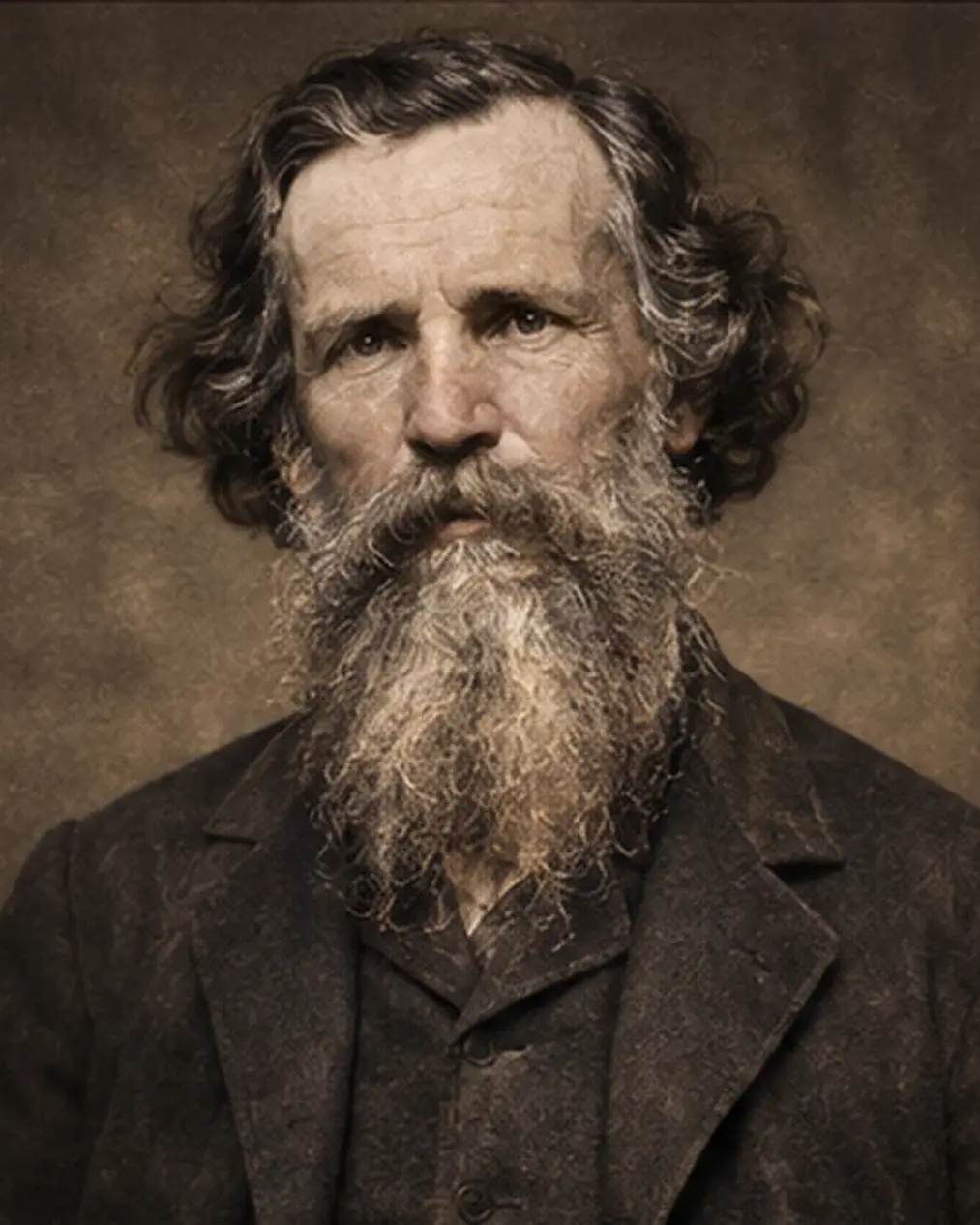
Henry Weston Smith was born in 1827 and became a Methodist preacher at twenty-three. He enlisted in the 52nd Massachusetts Infantry in the Civil War, became a doctor afterward and settled in Louisville, Kentucky, with his wife Lydia Ann Joslin and their four children. In early 1876 he left them to join a party of gold hunters heading for the Black Hills.
Preaching in the camps
According to the United Methodist Church’s General Commission on Archives and History, he was the first preacher of any denomination to go to the Black Hills camps. He reached Deadwood in May. No church had appointed him. He supported himself with manual work during the week and preached to miners on Sundays. His church formally sent a missionary, James Williams, only in 1878.
August 20, 1876
Eighteen days after Hickok’s death, Smith held his Sunday morning service and pinned a note on his door: “Gone to Crook City, be back at three o’clock.” He set out on foot for the ten-mile walk to preach there, and he did not come back.
A man with a hay wagon found his body on the road and brought it into Deadwood. He had been shot twice in the chest. The church’s account says he was found clutching his Bible and blood-stained sermon notes, a detail that has a devotional shape and is best taken as tradition.
Who killed him
No one knows. The killing came in the weeks after Little Bighorn, and HistoryNet says Indians probably killed him. The United Methodist account allows that the killer may have been either a lawless white man or a Sioux man. No source consulted reports anyone being tried. HBO’s version, with a brain tumor and Swearengen smothering him, is pure invention, though it did make him widely known again.
Memorials
Like Hickok, he was first buried in the Ingleside camp cemetery and later moved to Mount Moriah. The city’s archives name him among those reburied there. A separate monument stands along Highway 85, about a mile and a half north of Deadwood, near where his body was found, and the actual place of his death lies on ranch land reached only with the owner’s permission.
Sources
- Deadwood Cluster, General Commission on Archives and History, United Methodist Church
- Pioneer preacher remembered in Deadwood, KUNC
- Timeline of Deadwood, South Dakota, City of Deadwood Historic Preservation Office
- Mt. Moriah Cemetery brochure, City of Deadwood Archives
- The Real Men of Deadwood, HistoryNet